Military Forces
Conscription, reserves and mobilization: what troop numbers mean
Five national examples explain how registration, compulsory service and reserves differ, and why personnel totals do not measure immediate readiness.
Global conflict and defense news.


Military Forces
Five national examples explain how registration, compulsory service and reserves differ, and why personnel totals do not measure immediate readiness.
Defense Industry
A request, appropriation, contract ceiling and payment describe different stages. Two real US examples show how to follow the money.
Weapons & Technology
Jamming can deny a satellite signal; spoofing can provide a false position. Civilian risk depends on systems, backups and the evidence behind each report.
Conflicts
An explosion, a verified violation and an attributed attack are different findings. The agreement determines who can establish each one and what follows.
Military Forces
A battalion or brigade name helps place a formation in a command structure. It does not reveal a universal headcount, equipment inventory or level of readiness.
Conflicts
A video can show a real event while carrying a false date, location or explanation. Start by separating what is visible from what the caption asks you to believe.
Defense Industry
Approval, an agreement, a production contract and a delivery mark different stages. The verb in a defense announcement often matters as much as the headline value.
Military Forces
A reconnaissance aircraft, a remotely piloted armed platform and a one-way weapon may all be called drones. Their roles and the decisions made by humans can be very different.
Weapons & Technology
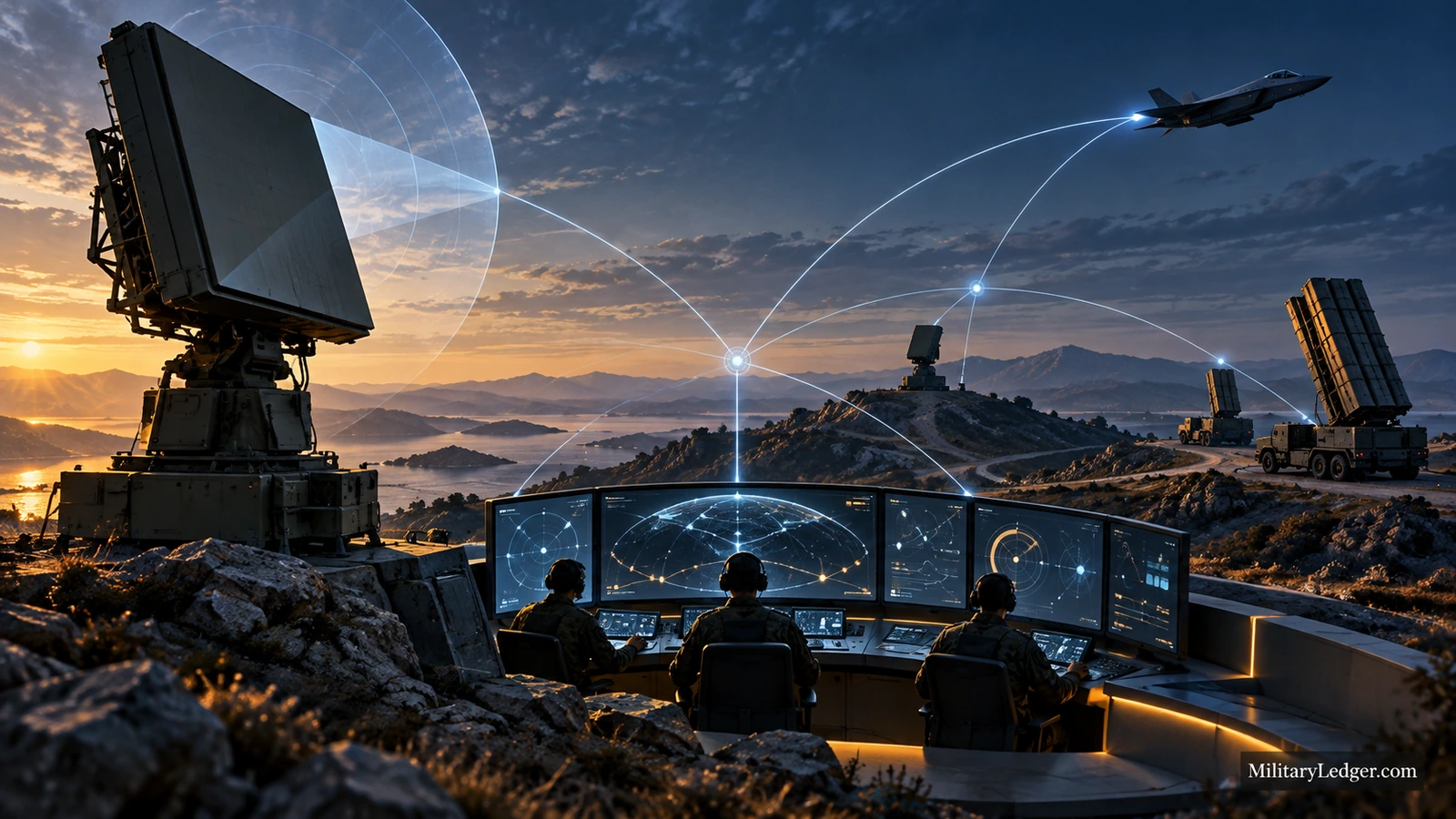
The interceptor is the most visible part of air defense. The work begins earlier, with sensors, shared information and decisions about which threats to engage.
Weapons & Technology
Missile names describe different things: how a weapon is powered, how it flies and how fast it travels. Understanding those distinctions makes the next announcement easier to judge.